
The Future of Chatbots in Customer Service
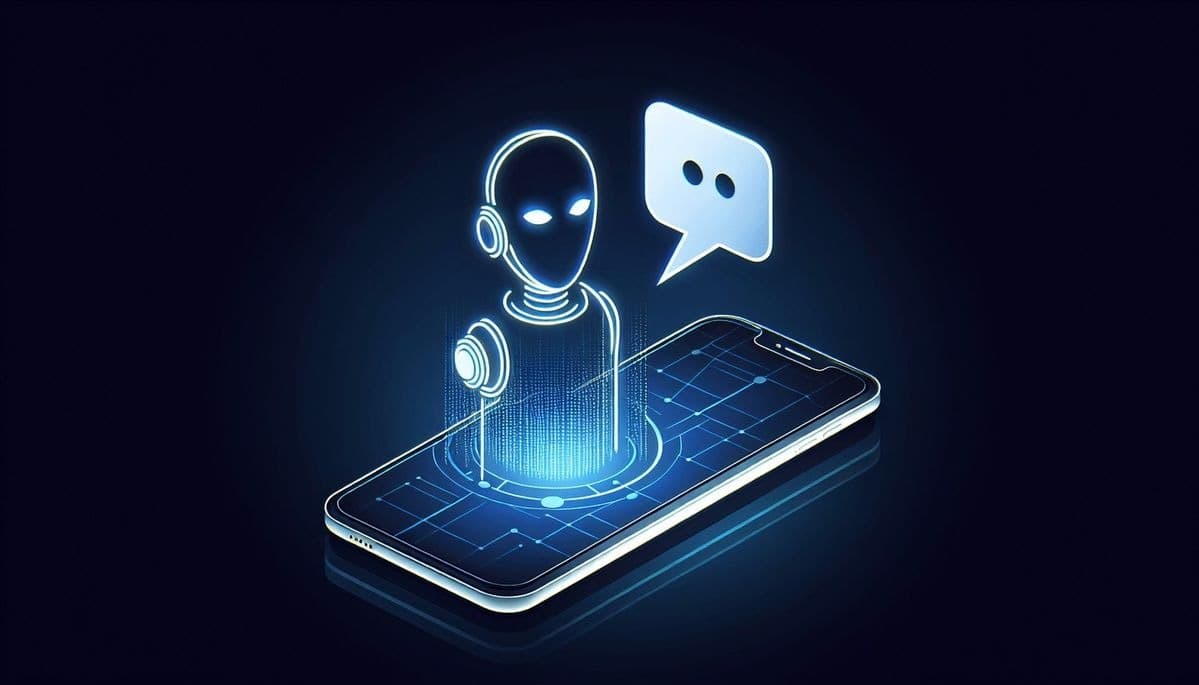
AI-powered chatbots are reshaping customer service in 2026, delivering instant answers, 24/7 availability, and lower support costs. Advances in natural language processing (NLP) and large language models (LLMs) make chatbots more helpful and human-like. This in-depth guide covers how chatbots work today, where they add the most value, how to implement them successfully, and what to expect next—so you can build a chatbot strategy that improves satisfaction and scales support.
Why Chatbots Matter for Customer Service in 2026
Customers expect fast, round-the-clock support. Chatbots meet that expectation without scaling headcount linearly. They handle FAQs, order status, password resets, and routing to humans when needed. In 2026, conversational AI is table stakes for support teams that want to scale and improve satisfaction. Businesses that delay adoption risk losing customers to competitors who offer instant, always-on support.
The ROI of chatbots is well documented: lower cost per conversation, higher first-contact resolution for routine queries, and improved agent productivity as bots handle the repetitive work. The key is to deploy chatbots where they add value—common questions, simple transactions, triage—and hand off to humans for complex or emotional issues. Getting that balance right is the difference between a bot that helps and one that frustrates.
The Evolution of Customer Service Technology
Customer service has moved from phone and email to live chat, social media, and now intelligent chatbots. Early bots were rule-based and brittle; they followed rigid scripts and failed when users deviated. Modern AI chatbots use NLP and machine learning to understand intent, context, and sentiment. They can handle varied phrasing, typos, and multi-turn conversations, making support feel more natural and reducing the need for users to repeat themselves.
The shift from rules to ML has made chatbots viable for a much wider range of use cases. Instead of mapping every possible phrase to a response, you train models on real conversations and let them generalize. This reduces maintenance and improves accuracy over time as you add more data and retrain.
Modern Chatbot Capabilities in 2026
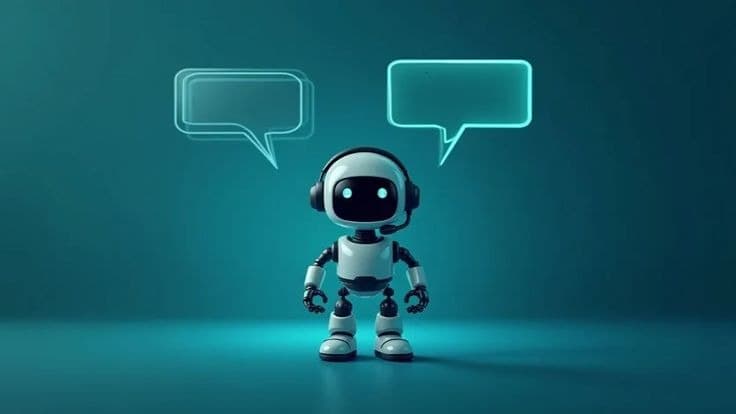
Today's chatbots understand context, remember conversation history, and personalize responses based on user and account data. NLP handles slang, abbreviations, and multiple languages; intent classification and entity extraction identify what the user wants and the relevant details. Integration with CRM, ticketing, and knowledge bases lets bots resolve issues end-to-end (e.g., reset password, check order status) or hand off to agents with full context so the customer does not have to repeat themselves.
Voice bots and omnichannel deployment (web, app, messaging platforms like WhatsApp and Slack) extend reach further. The same conversational engine can power text and voice with appropriate adapters. Design for channel-specific constraints—character limits, voice latency, and user expectations—while keeping the core conversation logic consistent.
Benefits of Chatbots for Businesses
Chatbots provide 24/7 availability so customers get help anytime, anywhere, regardless of time zone or business hours. Response times are near-instant for common questions, reducing wait times and frustration. Automation frees human agents for complex or emotional cases, improving job satisfaction and reducing burnout. With clear metrics—resolution rate, deflection rate, escalation rate, CSAT—you can measure ROI and iterate on bot design. Track which intents the bot handles well and where it fails; use that data to improve training and expand scope.
Beyond cost and speed, chatbots generate data: common questions, pain points, and language patterns. Use this to improve products, knowledge bases, and agent training. Chatbots can also qualify leads, book appointments, and collect feedback—extending their value beyond support into sales and marketing.
Implementation Best Practices
Start with well-defined use cases: FAQs, order status, booking, or triage. Map intents and train the bot on real conversations—support transcripts, not hypotheticals. Design clear handoff to humans when the bot can't help: escalation triggers (e.g., user says 'agent,' confidence below threshold, sensitive topic) and a smooth transition so the agent has context. Monitor quality and feedback; retrain and expand scope over time. Good chatbot implementation balances automation with a smooth path to human support so customers never feel stuck.
Test with real users in staging or beta before full rollout. Measure deflection, resolution, and CSAT; compare to pre-bot baselines. Iterate on prompts, training data, and handoff logic. Avoid over-promising; set expectations that the bot handles common questions and that humans are available for the rest. Transparency builds trust and reduces frustration.
The Future of Chatbot Technology
LLMs and multimodal AI will make chatbots even more capable: better reasoning, summarization, and handling of edge cases. Voice and visual inputs (e.g., image upload for product issues) will broaden use cases. As chatbots get smarter, the focus will stay on accuracy, safety, and clear escalation so customers always get the right outcome. Guardrails—preventing harmful or off-topic responses—will remain critical as models become more powerful.
Conclusion: Embracing the Chatbot Revolution in 2026
Chatbots are a core part of modern customer service. In 2026, invest in conversational AI that understands users, integrates with your systems, and hands off cleanly to humans. The right chatbot strategy improves satisfaction, reduces cost, and scales support as your business grows. Start with a focused use case, measure impact, and expand from there.
Further reading
- Our Chatbot Development Services →(our services)
- Chatbot on Wikipedia ↗(external)
Related Articles

Ready to Start Your Project?
Let's discuss how we can help bring your ideas to life.